
Where Pakistan’s Property Market Is Headed in 2026?
Abdul Moiz
June 10, 2026
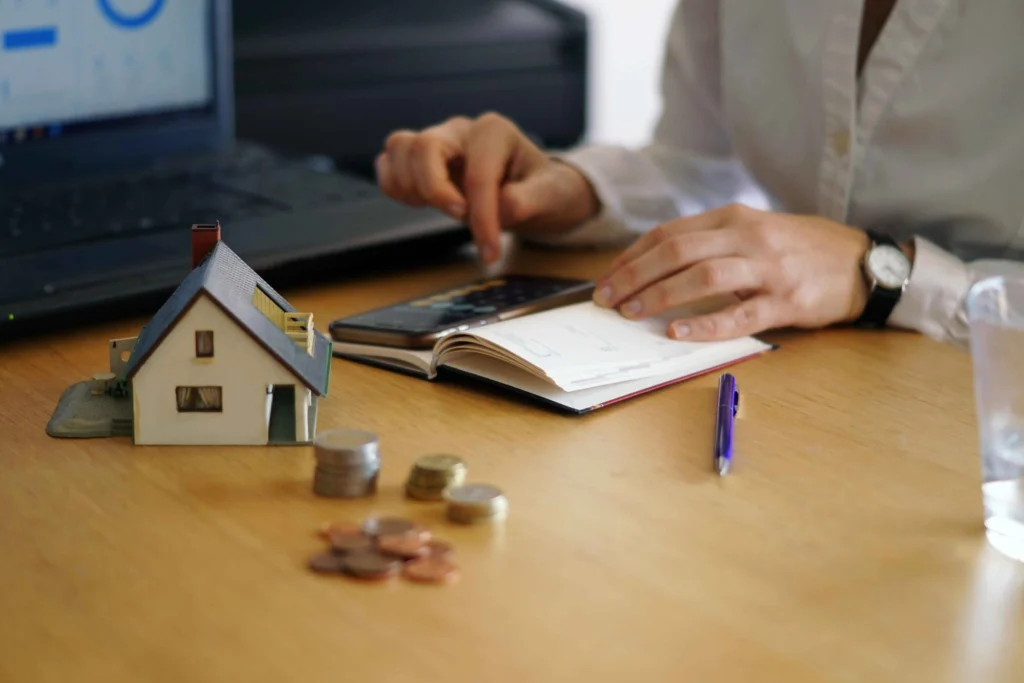
The Pakistan property market is changing fast. Buying land or homes is no longer just about waiting for prices to rise. In the past, many people invested in property only for quick profit. Today, buyers are more careful and want real value, legal clarity, and livable spaces.
Families now look for homes where they can actually live comfortably. Investors seek properties that offer rental income and long-term growth. Overseas Pakistanis prefer safe projects with clear documents, trusted developers, and verified approvals.
In this evolving market, professional guidance can make a difference. Companies like Q&A Marketing help developers and investors navigate the Pakistan real estate market by providing strategic marketing, digital campaigns, and SEO-optimized content. This ensures that property opportunities reach the right audience efficiently while maintaining trust and transparency.
This blog explains where the market is headed in 2026, which cities may offer better opportunities, what property types are gaining demand, and how buyers and investors can make smarter decisions in a changing real estate environment.
1.) Pakistan Property Market Trends in 2026
The Pakistan real estate market is moving from hype to real demand. Buyers are becoming more careful. Developers who deliver projects on time and with proper approvals are winning trust.
Shift From Speculation to Real Demand
Investors now ask: “Can I live here? Can I rent it?” The focus is on practical real estate investment in Pakistan. Speculation is fading.
Property values depend on economic stability. Rising employment and income levels have helped more families buy homes in best residential areas in Islamabad. Sectors near business districts and embassies see faster appreciation because professionals want shorter commutes and secure neighborhoods.
Affordable Housing Is Gaining Importance
Middle-income families are the main buyers now. Affordable housing in Pakistan projects are growing fast because they meet real needs.
Rental Properties Are Rising
With more families moving to cities, rental properties in Pakistan are attractive. Investors now focus on monthly income, not just price increases.
2.) Urbanization and Location-Based Property Value
Cities are growing fast, and location matters more than ever. People prefer areas with schools, hospitals, roads, and transport.
Islamabad and Rawalpindi Investment
The Islamabad property market offers security and lifestyle. Rawalpindi is affordable and has rental demand. Together, the twin cities offer a balanced investment.
Lahore Property Market
Lahore property market favors planned communities with good amenities. Areas like DHA Lahore and Bahria Town attract families and investors alike.
Karachi Real Estate Market
Karachi real estate market is strong because of jobs, business centers, and high population density. DHA, Clifton, and Gulshan-e-Iqbal are top areas.
3.) Regulatory Changes and Taxes in Real Estate
Taxes and approvals are changing how people buy property. Legal documentation is now critical.
FBR Withholding Tax
FBR rules under section 236K make filer status important. Buyers now pay less tax if they are registered filers. Property tax in Pakistan affects investment returns.
Formal Transactions Boost Confidence
Projects that are approved property projects in Pakistan get more trust from buyers. Transparency is rewarded.
Overseas Pakistanis and Documentation
Overseas buyers prefer projects with legal approval. Overseas Pakistanis property investment is stronger in transparent and verified developments.
4.) Emerging Property Types and Investment Opportunities
Different property types are becoming popular. Apartments, commercial spaces, and affordable housing are now in demand.
Apartments and Vertical Living
Land in cities is scarce. Apartments in Pakistan are practical, with amenities like parking, lifts, and security.
Mixed-Use and Commercial Spaces
Commercial real estate investment in Pakistan is growing. Shops, offices, and mixed-use spaces offer stable rental income.
Affordable Housing Projects
Affordable housing meets real demand. Affordable housing investment in Pakistan is one of the strongest opportunities today.
4.) City-Wise Property Outlook
Property performance varies by city. Understanding local trends is key to successful investment.
Karachi Price Trends
The Karachi property market forecast is strong in developed areas like DHA and Clifton. Rental and resale value remain high.
Lahore Real Estate Forecast
The Lahore real estate price forecast shows steady growth in planned communities like Bahria Town and Johar Town.
Islamabad, Rawalpindi, and Emerging Cities
The Islamabad property prices remain stable. Rawalpindi is affordable, and cities like Faisalabad and Multan are emerging as new hotspots.
4.) Overseas Pakistanis Property Investment
Overseas Pakistanis play an important role in the market. They invest emotionally and financially.
Remittances Support Property Investment
Money sent home supports families and property purchases. This strengthens overseas Pakistanis property investment trends.
Preference for Approved Projects
Overseas buyers choose approved projects with proper documentation. They avoid risky or unclear developments.
Digital Verification Builds Trust
Online records and verified payments increase confidence. Developers offering transparency gain long-term investors.
5.) Conclusion
The Pakistan property market is maturing. Speculation is fading. Trust, affordability, rental demand, and legal clarity are now the keys to success.
The best properties in 2026 are practical, approved, and in locations with strong demand. Apartments, affordable housing, and commercial units are gaining traction.
Investors who focus on research, transparency, and real demand will succeed. The future belongs to those who value real-life practicality over hype.
FAQs
Yes, if the property is legally approved, in a good location, and meets real housing demand.
Karachi, Lahore, Islamabad, and Rawalpindi remain top choices.
Apartments, mixed-use developments, affordable housing, and commercial spaces.
Yes, FBR withholding tax and filer status directly affect investment costs.
Yes, especially in approved, transparent, and secure projects.