
Which City Is Best for Real Estate Investment in Pakistan 2026? Expert Analysis
Abdul Moiz
February 20, 2026
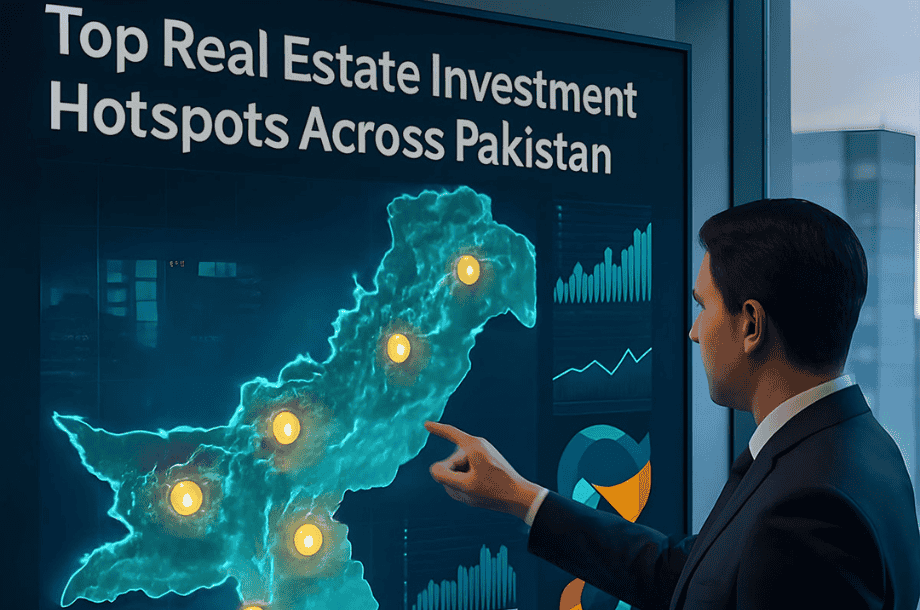
Which city is best for real estate investment in Pakistan 2026? That’s the question driving millions of property searches, with Lahore leading at 3.1M searches, followed by Karachi at 3M, and Islamabad at 2.8M. These numbers tell us something important about where investors focus their attention. Currently, buyers especially seek projects with solid legal approvals, strategic locations, and modern infrastructure. Pakistan’s real estate market presents strong opportunities in cities of all sizes, but each offers different advantages. We’ve analyzed the top investment destinations to help you make an informed decision. What makes certain cities stand out for property investment in 2026 becomes clear when you examine the data.
1.) Understanding Real Estate Market in Pakistan 2026
Current Market Trends and Growth Patterns
Pakistan’s real estate market in 2026 reflects major changes driven by infrastructure expansion and changing buyer priorities. Urban centers have experienced rapid growth. Metro projects in cities like Lahore and Islamabad, plus ring roads in Peshawar and Rawalpindi are transforming what’s available. These developments reduce travel times and make previously remote areas viable for residential and commercial projects.
The China-Pakistan Economic Corridor has created industrial chances in regions that were underdeveloped. Gwadar experienced surged land prices due to predicted growth. Meanwhile, affordable housing just needs to dominate market activity. Developers now offer installment plans ranging from three to ten years, making homeownership available to salaried individuals and first-time buyers.
Transaction activity shows recovery in major developments of all types. CDA sector plot transfers increased by 75%, while DHA Islamabad recorded 65% growth. Property tech platforms have changed how people find and compare options. Younger buyers expect transparency and convenience.
Why City Selection Matters More Than Property Type
Location determines investment outcomes more than property format in today’s market. Pakistan faces a housing shortage exceeding 10 million units, yet not all cities offer equal chances. Urban migration patterns show that by 2040, nearly 43% of the population will move to seven major cities.
Cities with infrastructure connectivity experience consistent value appreciation. Areas near highways and metro stations have started experiencing increased demand and property values. The point often overlooked is that regulatory frameworks vary between cities. Some offer clear legal structures and faster approvals, while others present documentation challenges that delay returns.
Rental yields differ by location. Karachi apartments average around 6.21% rental returns, making it one of the more profitable cities. Return on investment for real estate in Pakistan often ranges between 8% to 12% per annum in major cities. These figures fluctuate based on specific zones and development stages.
Economic Factors Driving Real Estate Demand
Pakistan’s population exceeds 240 million, creating relentless housing pressure. The country requires 1.5 million new homes each year, yet supply cannot meet needs. This gap supports sustained needs across urban centers.
Macroeconomic conditions have improved investor confidence. The State Bank of Pakistan’s policy rate dropped from 22-25% in 2023 to 11-12% in mid-2026, improving financing access. Inflation cooled from above 29% in 2023 to approximately 4.6% by April 2025, stabilizing construction costs.
Overseas Pakistanis drive market activity, with around 60-70% of remitted money flowing into real estate. Remittances rose over 31%, boosting liquidity in safe and developed areas. Government-supported programs like the Naya Pakistan Housing Project want to ease homeownership, while regulatory moves like RERA frameworks boost transparency and legal structure.
2.) Top 5 Cities for Real Estate Investment in Pakistan 2026
Five cities stand out in Pakistan’s real estate market. Each offers distinct advantages for different investment strategies. Let me walk you through what makes each location worth thinking about.
Lahore: Cultural Hub with Strong Rental Returns
Lahore’s population exceeds 12 million and creates sustained housing needs across residential and commercial sectors. The city delivers capital appreciation between 10-15% each year, while rental income gets 8-12% returns. DHA Lahore demonstrates consistent upward growth. Residential properties offer 4-6% yields and commercial assets reach 6-10% each year. Infrastructure improvements continue to improve property values in both mature and emerging phases. These include Ring Road connectivity and commercial high-rise expansion.
Islamabad: Secure and Regulated Investment Haven
Islamabad offers the highest rental yields among major cities at about 6.75%. The capital attracts government workers, diplomats, and overseas Pakistanis seeking secure investments. Zone 5 has emerged as a prime investment hotspot and benefits from proximity to infrastructure projects like the Rawalpindi-Islamabad Ring Road and Islamabad Expressway expansion. The city’s stable economy and regulated development framework provide long-term financial security.
Karachi: Commercial Opportunities in Pakistan's Business Capital
Karachi’s business-focused market gets apartment rental yields averaging 6.21%. High-rise developments improve over 55% of market growth and address land shortage through vertical expansion. Commercial spaces in areas like Shahrah-e-Faisal, Clifton, and DHA maintain strong corporate needs. The financial hub status ensures consistent rental needs from businesses and professionals.
Rawalpindi: Affordable Alternative with Rising Demand
Rawalpindi presents investment opportunities at lower entry points compared to Islamabad. The Ring Road project raises property values in societies located near the route. Projects like Capital Smart City, Bahria Town Phase 8 Extension, and DHA Phase 9 offer strong infrastructure and growth potential.
Multan: Emerging Market with High Growth Potential
Multan’s strategic location on M-4 and M-5 motorways positions it as a growing trade hub. Property prices remain moderate compared to Lahore and Islamabad. Projected growth rates reach 15-20% and ROI estimates fall between 15-18%.
3.) What Makes These Cities Best for Investment
Several measurable factors separate strong investment cities from speculative markets in Pakistan’s real estate landscape.
Infrastructure Development and Connectivity
Transport networks affect property valuations directly. The Rawalpindi Ring Road improves connectivity between residential zones and commercial hubs in Islamabad. This makes the region more attractive for businesses and potential homeowners. Ring roads and similar infrastructure projects open up new areas for development. They often turn peripheral regions into desirable real estate hotspots. The China-Pakistan Economic Corridor has reshaped previously underdeveloped areas into promising investment hubs. Better infrastructure reduces business operational costs and promotes industrialization.
Population Growth and Housing Demand
Pakistan’s population stands at 241.5 million, showing an increase of 33.82 million from the 2017 Census. Urban population growth averaged 3.65% each year from 2017-2023, nearly double that of rural population. The urban population is projected to climb to 99.4 million, or 40.7% of the country’s total, by 2030. The housing shortfall sits at 2.1 million units. Current urban need reaches 2.5 million housing units and future urban need will hit 3.5 million units.
Legal Approvals and Regulatory Framework
Regulatory bodies are canceling licenses of societies and pushing to regulate real estate agents. They’re cleaning out frauds. Properties governed by approved authorities carry legal legitimacy and resale value. Possession alone does not guarantee ownership without registry.
Rental Yield and Capital Appreciation Rates
Average gross rental yields in Pakistan’s major cities stand at approximately 6.24% as of Q1 2025. Islamabad leads with 6.75% average gross yield. Karachi follows at 6.21%, Rawalpindi at 6.07%, and Lahore at 5.92%. Nominal rent increases average around 4.9% each year in 2024.
4.) Common Investment Mistakes to Avoid When Choosing a City
Poor city selection often stems from preventable mistakes that cost investors by a lot in Pakistan’s real estate market.
Ignoring Legal Documentation and Approvals
You should always ensure projects receive approval from relevant authorities such as LDA, CDA, or RDA. Verify land ownership, check NOCs and approvals, and confirm the society has proper authorization from local development authorities. Property disputes happen frequently due to improper documentation. This leads to lengthy legal battles. Buyers who skip legal verification expose themselves to conflicts or complete loss of land. You need to confirm the developer’s NOC from relevant authorities before purchasing. Check property ownership documents, land title status, and society approval with layout plan registration.
Following Hype Instead of Market Research
Some projects promise unrealistic returns like “double your money in 6 months” or “10% monthly returns”. These are marketing tricks. Always verify the developer’s track record and whether returns are guaranteed in writing. Buyers who invest in speculative bubbles rather than focus on long-term stability create unnecessary risk. Prices often rise beyond real market value at the time everyone invests in a specific area. This leaves little room for profit. Focus on emerging localities instead of already-saturated ones.
Overlooking Long-Term Development Plans
Master plans are often based on unrealistic assumptions about economic potential and population requirements. Study master plans and infrastructure development news before investing. Properties near upcoming infrastructure projects gain value over time typically.
5.) Conclusion
Choosing the right city for real estate investment in Pakistan depends on your specific goals and budget. Lahore, Islamabad, Karachi, Rawalpindi, and Multan each offer distinct advantages for different investor profiles. Focus on cities with strong infrastructure, legal approvals, and proven rental yields rather than chasing hype. Really verify documentation before committing your capital. Careful research and a long-term viewpoint will position you for sustainable returns in Pakistan’s growing property market.
FAQs
Yes, the market has become more stable and practical in 2026. Ready homes, apartments, and legally approved properties offer safer long-term returns compared to speculative investments. With improved economic conditions, including lower interest rates and controlled inflation, the market presents solid opportunities for investors who focus on established cities with proper infrastructure and legal frameworks.
The top five cities for real estate investment are Lahore, Islamabad, Karachi, Rawalpindi, and Multan. Lahore offers strong rental returns of 8-12% and cultural appeal. Islamabad provides the highest rental yields at 6.75% with secure, regulated investments. Karachi excels in commercial opportunities with 6.21% rental yields. Rawalpindi presents affordable alternatives with rising demand, while Multan is an emerging market with projected growth rates of 15-20%.
Average gross rental yields across Pakistan’s major cities stand at approximately 6.24%. Islamabad leads with 6.75%, followed by Karachi at 6.21%, Rawalpindi at 6.07%, and Lahore at 5.92%. Commercial properties typically generate higher yields (6-10%) compared to residential properties (4-6%), with nominal yearly rent increases averaging around 4.9%.
The three critical mistakes are: ignoring legal documentation and approvals from authorities like LDA, CDA, or RDA; following market hype instead of conducting thorough research; and overlooking long-term development plans. Always verify NOCs, land ownership documents, and developer track records. Avoid projects promising unrealistic returns and focus on emerging localities rather than saturated markets.
Infrastructure projects significantly impact property valuations. Transport networks like the Rawalpindi Ring Road, metro systems in Lahore and Islamabad, and the China-Pakistan Economic Corridor have transformed accessibility and increased property values in connected areas. Properties near upcoming infrastructure projects typically experience consistent appreciation, with areas near highways and metro stations showing increased demand and higher values.