
Fuel Prices in Pakistan: Impact on Daily Expenses
Abdul Moiz
September 16, 2026
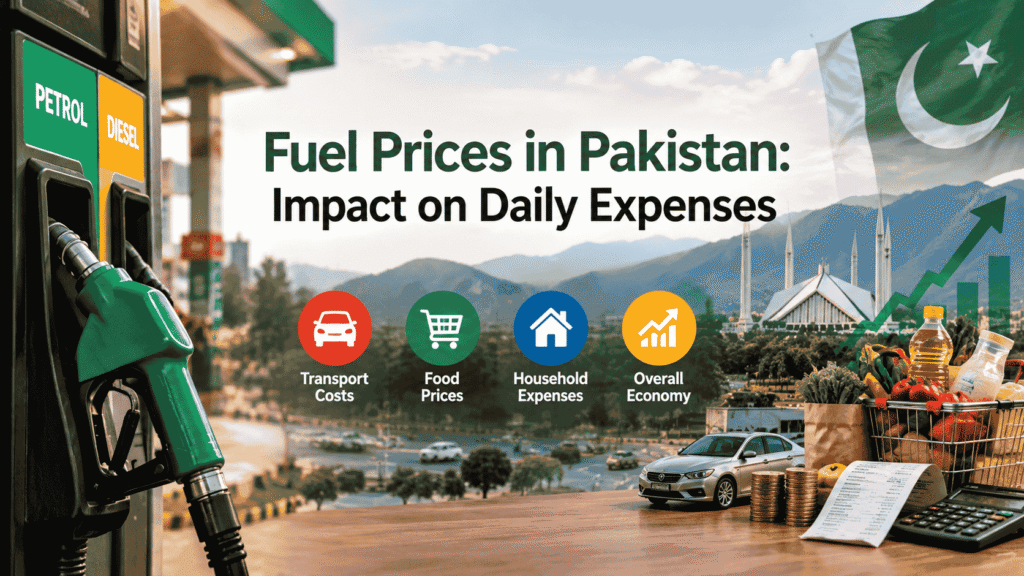
Fuel prices play an important role in the daily lives of people in Pakistan. Changes in petrol and fuel prices can affect transportation costs, food prices, household budgets, and the overall cost of living.
Understanding the connection between fuel prices and daily expenses can help consumers manage their budgets and understand why the prices of everyday goods and services may change.
1.)How Do Fuel Prices Affect Daily Expenses in Pakistan?
Fuel prices can directly and indirectly affect the daily expenses of households.
When petrol and other fuel prices increase, transportation becomes more expensive. Businesses may also face higher delivery, production, and operating costs, which can eventually affect the prices consumers pay.
What Daily Expenses Are Affected by Fuel Prices?
Fuel prices can influence:
- Transportation costs
- Public transport fares
- Food prices
- Delivery charges
- Grocery expenses
- Business operating costs
- Travel expenses
- Household budgets
The overall impact depends on how much fuel is used and how strongly businesses pass higher costs on to consumers.
2.) How Do Rising Petrol Prices Affect Transportation Costs?
Transportation is one of the most direct areas affected by changes in fuel prices.
When petrol prices rise, people who use private vehicles may spend more on daily commuting. Public transport operators, ride-hailing services, and delivery businesses may also face higher operating costs.
Why Do Transportation Costs Increase?
Higher fuel prices can increase:
- Daily commuting expenses
- Bus and van operating costs
- Taxi and ride-hailing expenses
- Delivery charges
- Long-distance travel costs
- Transportation costs for businesses
For households that depend heavily on transportation, even small fuel price increases can add to monthly expenses.
3.) How Do Fuel Prices Affect Food Prices in Pakistan?
Fuel is used throughout the supply chain that moves food from producers to consumers.
Farmers, wholesalers, distributors, retailers, and delivery businesses may all depend on transportation. When transportation costs increase, some of these additional expenses can be reflected in food prices.
Which Food Expenses Can Be Affected?
Fuel price changes can influence the cost of:
- Fruits and vegetables
- Meat and poultry
- Dairy products
- Grains and flour
- Packaged foods
- Restaurant meals
- Food delivery
The effect is not always immediate because businesses may absorb some costs before changing their prices.
4.) How Do Fuel Prices Affect Household Budgets?
Higher fuel prices can put additional pressure on household budgets, especially for families that regularly travel for work, education, shopping, or other activities.
When transportation becomes more expensive, households may have less money available for other expenses.
How Can Families Manage Higher Fuel Expenses?
Consumers can consider:
- Combining multiple trips
- Using public transportation where practical
- Carpooling
- Planning shopping trips
- Comparing transportation options
- Reducing unnecessary travel
- Tracking monthly fuel expenses
A household budget can help identify where fuel-related expenses are increasing and where spending can be adjusted.
5.) How Do Fuel Prices Affect the Cost of Goods and Services?
Fuel is an important operating cost for many businesses.
Companies may use fuel to transport raw materials, deliver products, operate vehicles, or support daily business activities. Higher fuel costs can therefore increase the cost of providing certain goods and services.
What Costs Can Increase Because of Fuel Prices?
Potentially affected costs include:
- Delivery charges
- Logistics expenses
- Transportation services
- Construction transportation
- Retail distribution
- Manufacturing costs
- Home delivery services
The actual effect varies depending on the industry and the amount of fuel used in its operations.
6.) How Do Fuel Prices Affect Small Businesses in Pakistan?
Small businesses that depend on transportation can be particularly sensitive to fuel price changes.
Retailers, delivery businesses, transport operators, restaurants, and other businesses may experience higher operating costs when fuel prices increase.
How Can Businesses Manage Higher Fuel Costs?
Businesses can:
- Improve delivery planning
- Combine deliveries
- Monitor transportation expenses
- Reduce unnecessary trips
- Review delivery charges
- Improve fuel efficiency
- Track operating costs
Careful cost management can help businesses manage changing fuel expenses without making unnecessary price increases.
7.) How Do Fuel Prices Affect Inflation and Purchasing Power?
Fuel prices can contribute to broader price increases because transportation is connected to many parts of the economy.
When transportation and operating costs rise, businesses may increase prices for goods and services. If overall prices rise faster than household incomes, consumers may have less purchasing power.
How Does This Affect Consumers?
Higher living costs can mean households spend more on:
- Transportation
- Food
- Utilities
- Household goods
- Services
- Daily necessities
The impact on individual households depends on income, location, transportation needs, and spending patterns.
8.) Should Consumers Change Their Spending Habits When Fuel Prices Rise?
Consumers may choose to review their spending when fuel prices increase.
The goal is not necessarily to reduce essential expenses but to identify areas where unnecessary transportation and fuel-related costs can be controlled.
What Spending Changes Can Help?
Consumers can:
- Set a monthly fuel budget
- Track fuel consumption
- Plan trips in advance
- Use fuel-efficient transportation
- Compare transportation costs
- Avoid unnecessary journeys
- Combine errands into fewer trips
These steps can help households manage changes in fuel-related expenses.
9.) Conclusion
Fuel prices have a significant connection with daily expenses in Pakistan. Changes in petrol and other fuel costs can affect transportation, food prices, delivery charges, business expenses, and household budgets.
The impact is not limited to people who own vehicles. Higher transportation and operating costs can also influence the prices of goods and services that consumers purchase every day.
For consumers, tracking fuel-related expenses, planning transportation, and maintaining a realistic household budget can help manage changing costs.
FAQs
Fuel prices can affect transportation, food, delivery charges, business costs, and other everyday expenses.
.
Yes. Higher fuel costs can increase transportation and distribution expenses, which may contribute to higher food prices.
Higher fuel prices can increase commuting and transportation expenses, leaving households with less money for other needs.
Yes. Petrol and diesel prices can affect the operating costs of private vehicles, public transportation, taxis, and delivery services.
Consumers can combine trips, use fuel-efficient transportation, carpool, plan journeys, and track monthly fuel spending.
[…] Rate in Pakistan 2026: Latest Prices & Trends Fuel Prices in Pakistan: Impact on Daily Expenses Commercial Building Maintenance: Protect Your Investment How to Know If a Property Is […]