
Commercial Building Maintenance: Protect Your Investment
Abdul Moiz
September 14, 2026
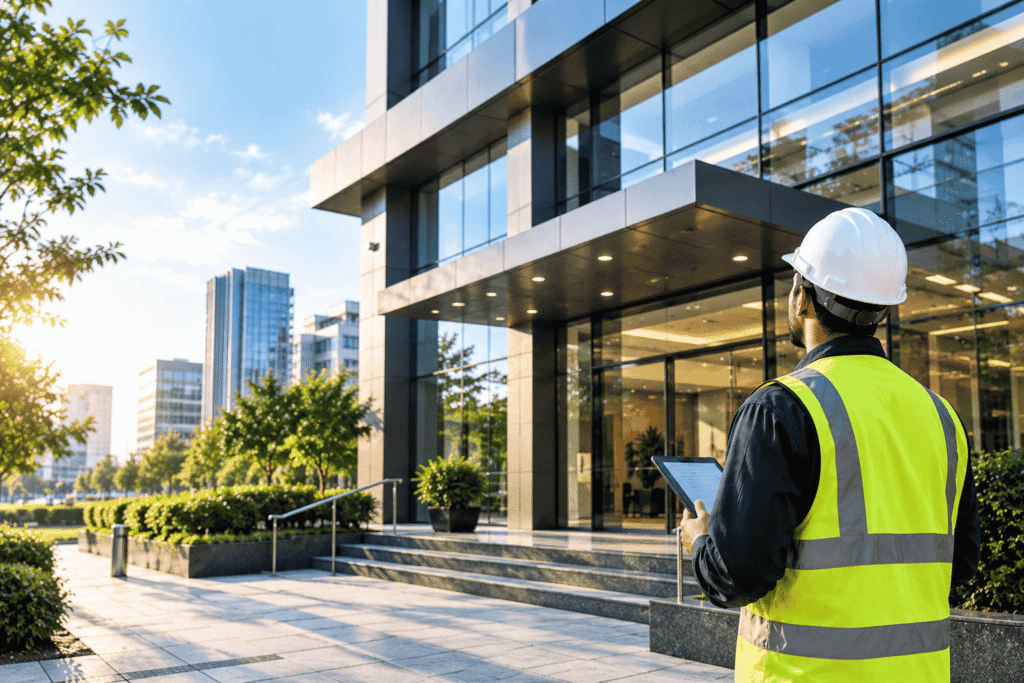
Commercial property is a major investment, and regular maintenance plays an important role in protecting its value. Poorly maintained buildings can lead to higher repair costs, tenant complaints, safety issues, and reduced property value.
Understanding commercial building maintenance can help property owners prevent costly problems, improve building performance, and protect their long-term property investment.
1.)How Can Commercial Building Maintenance Protect Your Property Investment?
Regular commercial building maintenance helps identify and fix problems before they become expensive repairs.
A well-maintained commercial property can also attract tenants, maintain its appearance, and support long-term property value. Regular maintenance can reduce unexpected costs while helping protect rental income and the overall value of the investment.
What Should Be Included in Commercial Building Maintenance?
Important maintenance areas include:
- Electrical systems
- Plumbing systems
- HVAC and air conditioning
- Roofing and waterproofing
- Elevators and lifts
- Fire safety systems
- Walls, floors, and ceilings
- Doors and windows
- Parking areas
- Landscaping and common areas
- Security systems
Regular inspections can help property owners identify maintenance issues at an early stage.
2.) What Is Preventive Maintenance for Commercial Buildings?
Preventive maintenance involves regularly inspecting, servicing, and repairing building systems before major problems occur.
Instead of waiting for equipment or building components to fail, property owners can follow a planned commercial building maintenance schedule.
Why Is Preventive Maintenance Important?
Preventive maintenance can:
- Reduce unexpected repair costs
- Extend the life of building systems
- Improve safety
- Reduce equipment downtime
- Maintain property appearance
- Protect property value
- Improve tenant satisfaction
A preventive maintenance plan can be especially valuable for large commercial properties with multiple systems and facilities.
3.) How Often Should a Commercial Building Be Maintained?
The frequency of maintenance depends on the building type, age, size, equipment, and usage.
Some systems require daily or weekly checks, while others may need monthly, quarterly, or annual inspections.
What Should Be Checked Regularly?
A commercial property maintenance schedule may include:
- Daily cleaning and common-area inspections
- Monthly electrical and plumbing checks
- Regular HVAC servicing
- Roof and drainage inspections
- Fire safety system inspections
- Elevator maintenance
- Pest control
- Exterior building inspections
- Parking and landscaping maintenance
Creating a commercial building maintenance checklist can help ensure that important tasks are not missed.
4.) What Are the Most Common Commercial Building Maintenance Problems?
Commercial buildings can experience a variety of maintenance problems due to age, weather, heavy usage, or poor maintenance practices.
What Common Problems Should Property Owners Watch For?
Common commercial building maintenance problems include:
- Water leaks and plumbing issues
- Roof damage
- Electrical problems
- HVAC failures
- Cracks in walls and ceilings
- Drainage problems
- Mold and moisture
- Damaged flooring
- Faulty elevators
- Fire safety system issues
- Pest infestations
Ignoring small problems can allow them to become more expensive and disruptive repairs.
5.) How Much Does Commercial Building Maintenance Cost?
The cost of commercial building maintenance varies depending on the size, age, location, condition, and type of property.
Maintenance costs can also depend on the building’s equipment, number of tenants, and required services.
What Factors Affect Commercial Building Maintenance Costs?
Key factors include:
- Building size
- Property age
- Construction quality
- Number of floors
- Type of equipment
- HVAC requirements
- Electrical systems
- Plumbing condition
- Cleaning requirements
- Security systems
- Emergency repairs
- Preventive maintenance requirements
Property owners should factor regular maintenance expenses into the overall cost of owning a commercial property.
6.) How Can Property Owners Reduce Commercial Maintenance Costs?
Regular maintenance can actually help reduce long-term expenses by preventing major repairs and equipment failures.
What Are the Best Ways to Reduce Maintenance Costs?
Property owners can:
- Follow a preventive maintenance schedule
- Inspect building systems regularly
- Repair small problems quickly
- Use qualified maintenance professionals
- Keep maintenance records
- Service HVAC and electrical systems regularly
- Inspect the roof and drainage system
- Use energy-efficient equipment
- Train staff and tenants to report problems
The goal should not be to eliminate maintenance costs but to prevent unnecessary and unexpected expenses.
7.)How Does Building Maintenance Affect Property Value?
Proper maintenance can have a direct impact on the long-term value of a commercial property.
A clean, functional, and well-maintained building can be more attractive to buyers and tenants. It can also help reduce costly repairs and support stronger rental demand.
Can Poor Maintenance Reduce Property Value?
Yes. Neglected maintenance can result in:
- Lower rental demand
- Higher repair expenses
- Poor tenant experience
- Safety concerns
- Structural deterioration
- Reduced market appeal
- Lower resale value
For property investors, regular commercial property maintenance should therefore be viewed as an investment rather than simply an operating expense.
Good maintenance helps create a cycle of fewer major repairs, better tenant satisfaction, stronger property appeal, and better protection of the investment’s long-term value.
8.)Should You Hire a Commercial Property Maintenance Company?
Hiring professional maintenance services can be useful for property owners who do not have an in-house maintenance team.
Professional commercial property maintenance services can help monitor building systems and handle scheduled and emergency repairs.
What Should You Look for in a Maintenance Company?
Before hiring a company, consider:
- Experience with commercial properties
- Qualified technical staff
- Range of maintenance services
- Emergency response time
- Pricing and service agreements
- Previous client experience
- Safety procedures
- Maintenance reporting
Choosing the right maintenance provider can help property owners manage their buildings more efficiently and avoid unnecessary maintenance expenses.
9.) What Should a Commercial Building Maintenance Checklist Include?
A detailed checklist can help property owners stay organized and prevent important maintenance tasks from being overlooked
What Should Be Included in a Commercial Building Maintenance Checklist?
A commercial building maintenance checklist should include:
- Electrical systems
- Plumbing and drainage
- HVAC systems
- Roof and waterproofing
- Fire safety equipment
- Elevators and lifts
- Doors and windows
- Walls and ceilings
- Flooring
- Parking areas
- Security systems
- Landscaping
- Cleaning and waste management
- Pest control
- Emergency equipment
Property owners should update their checklist according to the building’s specific requirements and maintenance schedule.
10.) Conclusion
Commercial building maintenance is an important part of protecting a property investment. Regular inspections, preventive maintenance, timely repairs, and proper record keeping can help reduce long-term costs and maintain the property’s value.
Property owners should create a practical commercial building maintenance checklist, monitor important building systems, and address problems before they become major repairs.
For investors, maintaining a commercial property is not only about keeping the building functional. It is also about protecting rental income, attracting tenants, reducing unnecessary expenses, and preserving long-term real estate investment value.
FAQs
Commercial building maintenance involves the regular inspection, cleaning, servicing, and repair of a commercial property and its systems to keep the building safe, functional, and valuable.
Regular maintenance helps prevent expensive repairs, improve safety, maintain property value, and provide a better environment for tenants and visitors.
Commercial property maintenance can include electrical, plumbing, HVAC, roofing, elevators, fire safety, cleaning, landscaping, security, and general building repairs
Maintenance frequency depends on the building and its systems. Some tasks should be performed daily or monthly, while other inspections may be required quarterly or annually
Preventive maintenance identifies potential problems before they become major failures. This can reduce emergency repair expenses and extend the life of building systems
[…] Pakistan 2026: Latest Prices & Trends Fuel Prices in Pakistan: Impact on Daily Expenses Commercial Building Maintenance: Protect Your Investment How to Know If a Property Is Overpriced Before Buying What Factors Affect Grey Structure Cost […]