
Apartment Fire Safety: 10 Features to Check Before Booking
Abdul Moiz
October 20, 2026
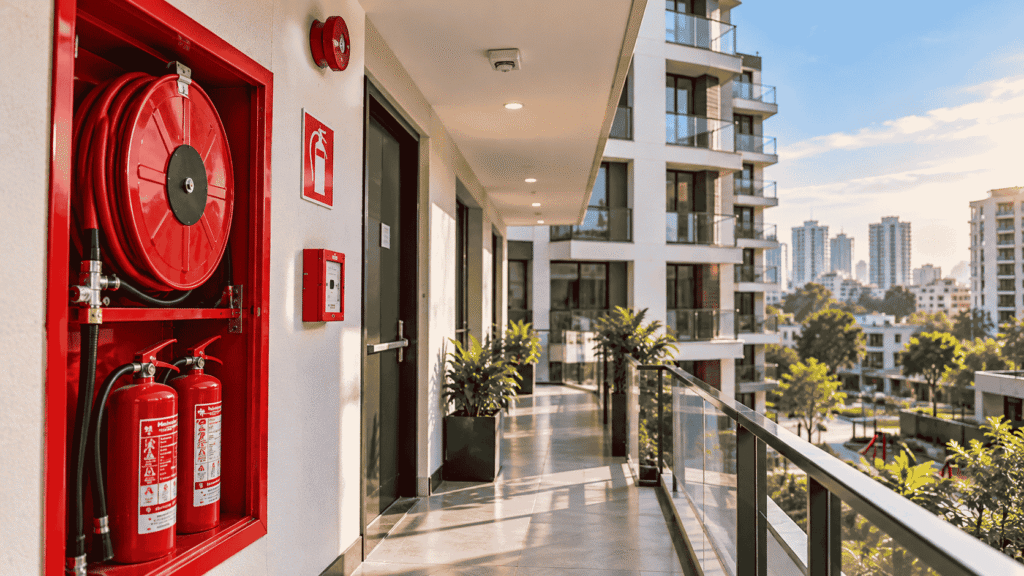
Fire safety should be part of every apartment viewing. A good view and an easy payment plan may catch your eye first. However, you also need to know how the building would protect your family during a fire.
Before you book, look beyond the show apartment. Ask to see the stairs, check the exits and request safety records. After all, a brochure cannot show whether the systems work.
This apartment fire safety checklist covers ten features to discuss with the developer. It also explains what to ask before you pay. Use it to guide your visit, then seek expert help with technical checks.
1.) Are smoke alarms part of the fire safety system?
Yes. Working smoke alarms can give you an early warning. As a result, you have more time to respond. First, ask what alarms or detectors will serve your apartment. Then, ask how staff check them.
What should you ask?
- Where will alarms and detectors be fitted?
- Can people hear the warning inside bedrooms?
- Who tests the devices?
- What keeps them working during a power cut?
A finished show apartment does not prove that these systems work. Therefore, request test records before taking possession.
2.) Does the building have a working fire alarm system?
An alarm inside a flat and a building-wide alarm system serve different roles. For example, a fire may start in the car park while you are upstairs. Ask how the warning would reach you.
What should buyers check?
- Where residents can raise the alarm
- Who checks the main alarm panel
- How staff send emergency instructions
- When the system was last tested
Also, ask management to explain the process in plain language. A clear answer should describe what happens after an alarm sounds.
3.) Does the fire safety plan include sprinklers?
Sprinklers react to heat and can help control a fire. However, pipes in the basement do not prove that every floor has protection. Ask which flats and shared areas have sprinkler coverage
What should you confirm?
- Which areas the system protects
- Whether it is working or still planned
- Who checks and services it
- Whether test reports are available
For better protection, NFPA recommends a fully sprinklered high-rise building. Therefore, check the actual coverage instead of relying on a brochure
4.) Are emergency exits and stairs clear?
Next, ask to see the escape stairs. Where access is safe and permitted, walk the route towards the outside. This helps you spot problems that a floor plan may not show.
What are the warning signs?
- Boxes or furniture blocking the route
- Exit doors that will not open from the escape side
- Missing or unclear exit signs
- Stairs used as storage space
Exit routes must stay clear. In addition, an expert should check whether their number and design suit the building. Do not judge this from a quick visit alone
5.) Do the fire doors close properly?
Fire doors help slow the spread of fire and smoke. However, they need to be the right type and work as designed. A door held open with a wedge may fail to protect the stairs
What should you look for?
- Doors that do not close or latch
- Broken door closers
- Damaged frames
- Doors held open with objects
Also, ask for the door details. A heavy door is not proof of a fire rating. Have an expert review the details if you are unsure.
6.) Will exit signs and lights work in a power cut?
Clear signs and backup lights help people find their way. Therefore, ask how the escape route stays visible when normal power fails.
What should management explain?
- Where emergency lights are fitted
- How exit signs stay lit
- Which systems have backup power
- Who tests the lights and signs
Do not assume that one generator powers every safety system. Instead, ask what it serves and request test records.
7.) Is firefighting equipment ready to use?
An extinguisher on a wall is only one part of fire safety. It needs the right location, regular checks and proper care. Water-based systems also need a reliable water supply.
Which questions should you ask?
- Are extinguishers easy to reach and serviced?
- What other equipment is in the approved design?
- Who checks the water supply and fire pumps?
- Are service records available?
In addition, get an expert to review the system. Equipment may look complete but still need testing or repairs.
8.) How does the building limit smoke spread?
Smoke can spread between rooms, corridors and floors. For this reason, ask how the building limits its movement. The answer should cover more than fresh air or open windows
What should you discuss?
- Protected stairs
- Smoke control systems, where specified
- Walls and doors that separate fire areas
- Sealed gaps around pipes and cables
- Separation between parking and living areas
These features need expert review. In other words, a viewing helps you ask questions, but it cannot prove how the design will perform.
9.) Is there a clear fire safety and escape plan?
Residents need to know what an alarm means and what to do next. Therefore, ask for the plan before you move in. It should also address people who need help.
What should the plan cover?
- How staff warn residents
- Which routes serve each floor
- Where to meet when told to leave
- How people with limited mobility get help
- How residents learn and practise the plan
Follow the plan for your building and fire service instructions. Do not enter smoke-filled routes. Also, avoid ordinary passenger lifts during a fire unless emergency responders direct you otherwise
10.) Can you see the fire safety records?
Finally, ask for evidence. A sales promise should be backed by plans, reports and clear records. However, the documents needed will depend on the location and stage of the project.
Which records should you request?
- Approved fire protection plans
- Relevant fire safety approvals or clearances
- Test and commissioning reports
- Inspection and service records
- A list of faults and planned repairs
- Maintenance plans after handover
For a project still being built, separate planned work from completed work. Then, ask when the systems will be tested. Confirm local requirements with the relevant authority and use a qualified fire safety expert to review the details.
11). Conclusion
Start with the exits, alarms and sprinklers. Next, ask for records and find out who will maintain each system. If work is incomplete, request a written timeline. Before you commit, resolve any gaps with help from a qualified expert.
Fire safety deserves a place beside price, location and build quality. You do not need to understand every technical detail. However, you should know what is installed, what is still promised and who is responsible for it.
FAQs
No. Alarms, protected exits, suitable fire protection systems and a clear plan work together. An extinguisher cannot replace them.
Ask for approved plans, written specifications and a work schedule. Then, check that the systems are complete and tested before possession.
No. General project approval does not prove that every system is ready. Ask for the relevant safety documents and test reports.
You can spot blocked exits or damaged doors. However, hidden building details and system performance need a qualified expert to assess them.