
How Islamabad’s New Road Projects Are Increasing Property Value
Abdul Moiz
March 10, 2026
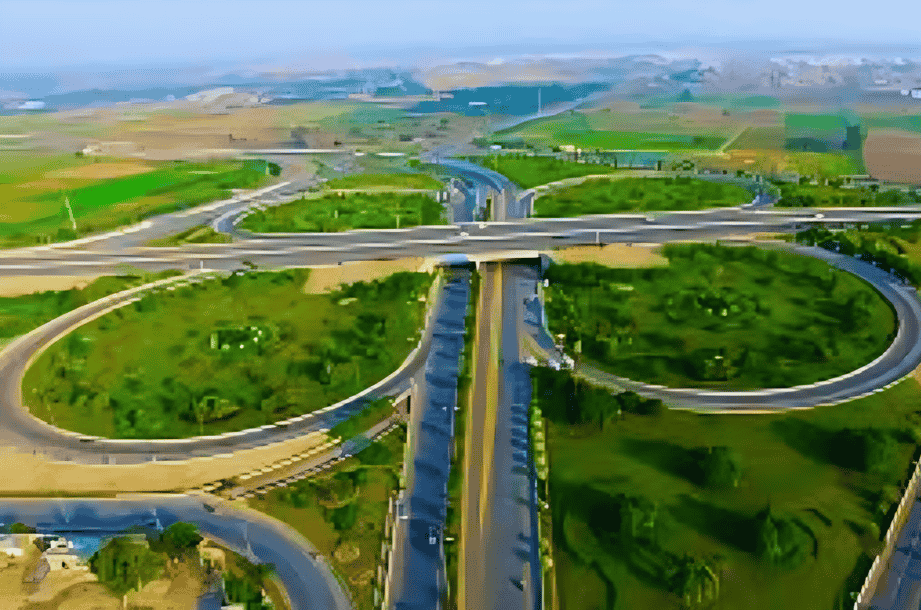
Islamabad’s property market shows clear signs of change as new road infrastructure reshapes how people move around the capital. We’ve studied how recent road developments create fresh opportunities across different sectors, and our research reveals a strong connection between better access and rising property demand.
The Capital Development Authority has delivered some major wins. Over 28 infrastructure projects worth roughly US$18.8 billion have reached completion, and the effects on property markets are getting harder to ignore. Areas that investors once overlooked are becoming serious investment destinations.
We looked at the most significant road projects driving these changes and learned some exciting things about their impact on property values. The T Chowk Flyover and Shaheen Chowk Underpass stand out as game-changers in the connectivity landscape.
This piece reveals how these road developments boost connectivity, their direct impact on Islamabad property values, and the investment opportunities they’re creating right now.
1.) The Road Projects Making the Difference
T Chowk Flyover Development
The Capital Development Authority pulled off something remarkable here. The T Chowk Flyover’s main structure reached completion in just 90 days, finishing two months ahead of the February 2026 deadline. This Rs1.4 billion project stretches 1.1 kilometers at the junction of G.T. Road and Islamabad Expressway.
Prime Minister Shehbaz Sharif laid the foundation stone on September 12, 2025. The flyover now delivers signal-free entry into Islamabad from GT Road for commuters traveling from Lahore and other Punjab cities. What makes this project stand out? The scope expanded during construction, with an additional lane added at grade besides U-turns to help motorists, staying within the 15 percent cost revision limit allowed under procurement regulations.
Shaheen Chowk Underpass Project
Built at the intersection of 9th Avenue and Khyaban-i-Iqbal, this Rs1.3 billion underpass opened to the public on December 31, 2025, after completion in just 63 days. The project timeline shows serious commitment to fast delivery. The underpass barrel length grew from 56 meters to 85 meters during construction, with an extra lane added to the roundabout and two U-turns incorporated.
Foundation stone laying occurred on October 24, 2025, and the project tackled one of Margalla Road’s most congested junctions. The results speak for themselves – traffic flow improved dramatically in this critical area.
Kashmir Chowk Underpass Plan
CDA approved this “Smart Underpass” project near Islamabad Club as part of the Islamabad Vision 2027 roadmap. The Interior Minister issued a strict 10-day deadline for final design submission. This underpass will provide signal-free travel for commuters from Bara Kahu and Murree towards the city center.
The project incorporates modern surveillance integrated with the Safe City Project and energy-efficient lighting systems. Smart infrastructure becomes the priority here, not just basic connectivity.
11th Avenue Development
This major principal road dividing sectors G-11 and G-12 will connect directly with Srinagar Highway and IJP Road. Recent progress shows positive momentum. A two-kilometer portion from D-12 to E-11, also known as Iran Avenue, has already reached completion.
The remaining stretch from E-11 to IJP Road is planned for construction to divide traffic load once the road linking Margalla Avenue with Sector E-11 is finished. This staged approach ensures steady progress without overwhelming the construction capacity.
Islamabad Expressway Service Road Rehabilitation
CDA initiated this nine-kilometer service road project running from Faizabad Interchange to Gulberg Greens. The route passes through some key areas: Soan, Pindorian, Shakrial, Garden Town, Khanna, Kangal, Ghouri Town, and Koral.
Following the first phase completion, the service road will extend further from Koral towards Rawat. This parallel route aims to separate local traffic from long-distance flows on the main expressway. The design philosophy focuses on reducing congestion through smart traffic management rather than just adding more lanes.
2.) What These Road Projects Actually Do for Connectivity
The real question is: how much difference do these roads make for people getting around? We found some clear patterns when we looked at travel times and accessibility changes.
Travel Times Drop Across Key Routes
The service road creates something residents haven’t had before – a dedicated route that keeps local traffic separate from long-distance flows. The difference shows up most during rush hours and school pickup times.
Outer sector residents face a particularly interesting change. The M1 Motorway link project cuts down their travel time significantly, since they won’t need those long, congested routes to reach the motorway anymore.
Officials expect this new corridor to ease the traffic crush toward northern and western destinations. The service road extension from Koral to Rawat will create a continuous alternate route that takes serious pressure off the main Expressway.
Twin Cities Connection Gets Better
A 25-kilometer signal-free corridor connecting Islamabad and Rawalpindi changes the game entirely. The Rs 30 billion investment reduces traffic stops, cuts fuel consumption, and shortens travel times. The proposed high-speed rail adds another layer – Margalla Railway Station to Saddar Railway Station in just 20 minutes.
Areas That Were Hard to Reach Open Up
I-9 and I-10 sectors tell an interesting story. These areas stayed largely inaccessible until these road developments arrived, and now residential demand is picking up.
The benefits reach residents in Soan, Pindorian, Shakrial, Garden Town, Khanna, Kangal, Ghouri Town, and Koral once construction wraps up. Better connectivity means easier access to commercial zones, public services, and employment centers throughout the capital.
Rush Hour Traffic Problems Get Solutions
The T Chowk Flyover and Shaheen Chowk Underpass target rush hour bottlenecks specifically. More than 2 million residents and 250,000 daily commuters will see their travel experience change.
Grade-separated infrastructure keeps traffic flowing on main carriageways while eliminating those frustrating stops. People living near these developments already report better traffic conditions and improved quality of life.
3.) Property Values Jump: The Real Numbers Behind Road Development
Areas That Were Once Hard to Reach Become Investment Hotspots
Road upgrades created instant demand shifts in sectors like I-9 and I-10, which were tough to access before. These neighborhoods now pull in residential buyers who want shorter daily commutes. Suburban areas including I-14 and B-17 saw rental growth climb past 10 percent annually, thanks to metro-bus extensions and better ring-road connections. Two- and three-bed units in these spots rent for PKR 30,000 to PKR 50,000, cutting costs by up to 40 percent compared to central sectors.
Price Growth Data Shows Clear Patterns
Let’s get into the actual numbers. The Federal Board of Revenue revised property valuations across 68 locations, with increases spanning from 15 to 75 percent. Sector E-7 grabbed the top spot as the most expensive residential area at PKR 600,000 per square yard.
Premium sectors tell their own story:
- F-7 and F-6: PKR 500,000 per square yard
- F-8: PKR 450,000 per square yard
- F-10, F-11, and G-6: PKR 350,000 per square yard
Better roads already pushed prices higher in sectors like F-10 and F-11, and infrastructure improvements keep driving values up.
Commercial Property Gets More Attention
Commercial property prices in Islamabad jumped 12 to 15 percent in 2023, with more growth expected ahead. Commercial plots in D-12 and E-11 now carry PKR 1 million per square yard valuations. Premium commercial spaces in E-7 and F-7 reached up to PKR 2.5 million per square yard. Demand for Grade A office spaces grew by over 25 percent in the past three years.
Rental Markets Respond to Better Access
Recent trends show asking rents climbed to PKR 85 per square foot for apartments and PKR 126 per square foot for houses in early 2025, reflecting a 5 to 8 percent year-on-year rise. Rental yields average between 6 to 8 percent annually for apartments and commercial spaces. Experts predict property values could rise by 15 to 20 percent in key areas by the end of 2025.
4.) Road Infrastructure Creates Fresh Investment Chances
Top Sectors Worth Your Attention Right Now
Margalla Orchards stands out with solid legal foundations. Located opposite COMSATS University on Park Road, it enjoys backing from DHA and FGEHA under CDA Zone 4. The society benefits from upcoming direct access roads to Margalla Enclave and potential links to Bahria Enclave.
Sector I-12 offers a compelling value play as possession begins. The development premium mirrors what we see in established neighbors G-13 and G-14. Sector F-14 remains in early physical development with NLC involvement, which positions smart investors to capture growth before full maturity hits.
B-17 gets a major boost from the Margalla Avenue extension. This development places it just minutes from Sector D-12. The result? A cost-effective alternative to pricey CDA sectors without sacrificing accessibility.
Getting In Early Makes the Difference
Why does timing matter so much? Investors who enter during early development stages capture that crucial price gap between current values and future maturity levels. Ring roads and expressway upgrades unlock areas that were previously hard to reach, creating immediate demand surges.
The math is simple. Early positioning lets you secure properties before connectivity improvements push values higher. Once the roads open and access improves, that opportunity window closes fast.
What Returns Should You Expect?
Residential plots in Islamabad typically appreciate between 10 to 20 percent annually. Some areas climb higher depending on location and development progress. But remember – past performance doesn’t guarantee future results, and you’ll want to factor in market conditions and your own investment timeline before committing.
5.) Conclusion
Road infrastructure developments create genuine investment potential across Islamabad’s property market. The data points to clear winners – sectors like I-12, B-17, and F-14 stand out as early-stage opportunities where connectivity improvements haven’t fully reflected in pricing yet.
The key lies in timing your entry. These accessibility advantages take time to get fully priced into the market, which gives smart investors a window to act. Focus on the sectors we’ve highlighted, match them against your investment capacity, and move before these road projects push values beyond your reach.
Research the specific blocks within these areas, verify development timelines, and secure your position while the infrastructure benefits remain undervalued. The connectivity game changes quickly in Islamabad – those who act early capture the most upside.
FAQs
Margalla Orchards, Sector I-12, Sector F-14, and B-17 are currently among the most promising investment areas. Margalla Orchards benefits from legal backing and upcoming connectivity improvements. Sector I-12 offers strong value as possession begins, while F-14 is in early development stages with growth potential. B-17 is becoming more accessible due to the Margalla Avenue extension, offering a cost-effective alternative to expensive CDA sectors.
Residential plots in Islamabad generally appreciate between 10 to 20 percent annually, though some areas experience higher growth depending on location and development levels. Recent data shows property values could rise by 15 to 20 percent in key areas by the end of 2025, particularly in sectors benefiting from new road infrastructure.
Sector E-7 commands the highest rates at PKR 600,000 per square yard. Premium sectors F-7 and F-6 are valued at PKR 500,000 per square yard, while F-8 stands at PKR 450,000 per square yard. Sectors F-10, F-11, and G-6 are priced at PKR 350,000 per square yard. Commercial plots in D-12 and E-11 are valued at PKR 1 million per square yard.
Rental rates have increased by 5 to 8 percent year-on-year, with asking rents reaching PKR 85 per square foot for apartments and PKR 126 per square foot for houses. Suburban areas like I-14 and B-17 have experienced rental growth exceeding 10 percent annually. Rental yields average between 6 to 8 percent annually for both apartments and commercial spaces.
Early investment allows buyers to capture the price gap between current values and future maturity levels before connectivity improvements fully impact prices. Infrastructure upgrades unlock previously underserved areas and drive immediate demand. Investors who enter during early development stages benefit from appreciation as accessibility advantages become priced into the market.