
Understanding Money Flow in Pakistan’s Property Sector 2026
Abdul Moiz
May 7, 2026
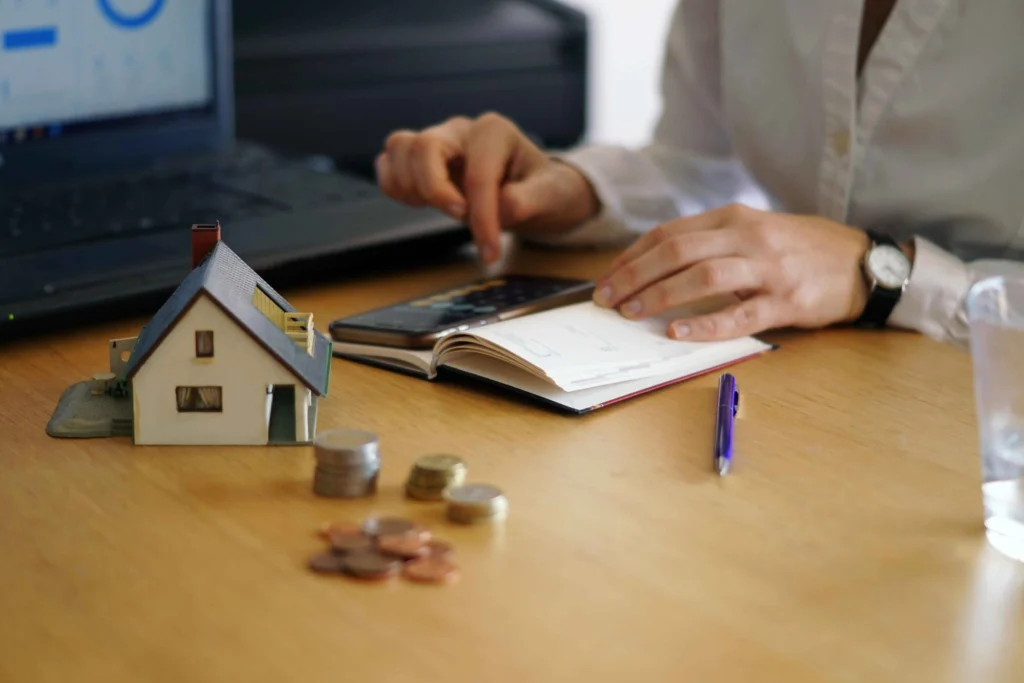
Pakistan’s real estate market in 2026 is being shaped by a combination of economic pressure, investor psychology, and structural financial changes. One of the most important hidden drivers is how money circulation in the economy has slowed down and redirected toward property investment.
When liquidity becomes restricted in the system due to taxation pressure, inflation, and economic uncertainty, capital does not disappear, it shifts toward safer and more stable assets. In Pakistan, that asset is primarily real estate.
1.) “Stuck Money” in the Economy and File-Based Investments
One of the most important but less discussed realities in Pakistan’s real estate market is the concept of “stuck “money,” capital that is locked and not actively circulating in the economy.
In many cases, investors place money in real estate files or booking systems where:
- Physical development has not started or is very slow
- Land possession is not yet delivered
- Projects exist mostly on paper or digital records
- Buyers are holding “files” instead of actual developed property
These file-based investments create a situation where:
People’s money is technically invested but not physically productive or usable
When too much capital is locked in such projects, it reduces liquidity in the market. Investors cannot easily withdraw or rotate their money, which leads to a buildup of inactive or stuck capital in the system.
This is especially common in developing housing societies where:
- Files are actively traded
- Prices fluctuate based on demand rather than development
- Delivery timelines are uncertain
As a result, a large portion of investment remains tied up in non-physical or underdeveloped assets, creating pressure in the wider financial system.
This is one of the reasons why investors eventually shift toward more stable and tangible real estate options like developed plots or ready property
2.) Taxation Pressure and Shift Toward Asset-Based Investment
Another major factor is taxation structure and compliance pressure.
When taxes become stricter or more complex:
- Investors avoid keeping large visible cash holdings
- Wealth is shifted from liquid form to assets
- Property becomes a preferred investment channel
This creates consistent demand for:
- Plots
- Housing schemes
- Commercial properties
- Land banking investments
Real estate becomes a wealth preservation tool rather than just a housing sector
3.) Economic Slowdown and Low Business Confidence
When economic conditions weaken, business confidence usually drops.
In such periods:
- Businesses delay expansion
- Stock market participation reduces
- Risk appetite decreases
- Investors avoid volatile sectors
Instead, capital moves toward low-risk perceived assets like real estate, where value is expected to remain stable or grow over time.
4.) Government Measures and Policy Direction Supporting Real Estate Activity
In recent years, the government has introduced several structural and regulatory measures aimed at:
- Formalizing the real estate sector
- Increasing documentation and transparency
- Encouraging construction activity
- Supporting housing demand through policy focus
While these measures are primarily designed for regulation and economic stabilization, they have also created a clear directional push toward organized real estate investment.
At the same time:
- Construction-related incentives
- Housing development focus
- And infrastructure expansion projects
have contributed to keeping the property sector active even during broader economic pressure.
As a result, real estate has become one of the most structurally supported investment sectors in Pakistan’s economy
5.) Investor Psychology Shift: Safety Over Risk
Due to combined economic and policy factors, investor mindset has clearly shifted:
- From high-risk business expansion
- To stable asset accumulation
- Toward long-term land and property holding
Property is now viewed as:
- A hedge against inflation
- A protection against currency depreciation
- A long-term family asset
- A relatively stable investment class
This psychological shift is one of the biggest reasons behind rising property demand
6.) Role of Property Dealers and Market Momentum
Property dealers and real estate marketers also play a major role in this cycle.
As demand increases:
- Marketing activity in housing societies increases
- Investment opportunities are actively promoted
- Plot prices gain momentum in developing areas
- Investor participation grows further
This creates a self-reinforcing cycle:
Economic pressure → investment shift → increased demand → price growth
In Pakistan, real estate is not just housing — it is a financial protection tool.
Why?
Because property historically protects value better than currency in inflationary environments.
This is why real estate demand often remains strong even when economic conditions are unstable.
7.) Why People Are Actively Investing in Property Now
The combined effect of economic conditions and policy direction has led to a clear behavioral trend:
People are increasingly moving money into real estate instead of keeping it idle.
Main reasons include:
- Protection against inflation
- Fear of currency depreciation
- Trust in land-based assets
- Government-driven sector activity
- Limited returns in other financial markets
Even small and mid-level investors are now entering the market through:
- 5 marla plots
- Apartment investments
- Joint property purchases
7.) Conclusion
Pakistan’s real estate market in 2026 is not just driven by demand for housing — it is shaped by a larger economic redistribution of capital.
When money becomes less active in banking and business sectors, and when policy direction encourages structured investment, it naturally flows into real estate.
This is why:
- Investor activity remains strong
- Property demand stays consistent
- Dealers remain highly active
- And prices continue to show upward pressure
In simple terms, real estate in Pakistan has become the primary destination for idle and protected capital
FAQs
Real estate investment in Pakistan is increasing due to inflation, economic uncertainty, taxation pressure, and limited returns in other sectors. Investors prefer property because it is seen as a stable, long-term asset that protects capital value over time.
Inflation increases construction costs, including cement, steel, labor, and fuel. As development becomes expensive, property prices also rise. This makes real estate one of the most inflation-sensitive sectors in Pakistan.
Yes, real estate remains one of the most preferred investment options in Pakistan. It is considered relatively stable compared to stocks or business investments, especially during economic fluctuations.
Due to inflation, low savings returns, and taxation pressure, many investors prefer converting liquid cash into physical assets like land and property. Real estate is seen as a safer way to preserve wealth.
Government policies such as taxation reforms, construction incentives, and housing development initiatives directly influence market activity. These measures encourage formal investment and increase overall real estate demand.